403-498-8884

Unlock the Secrets to a Happier, Healthier You
Discover Our Latest Blog Posts!

Why Self-Compassion Is the True Catalyst for Inner Growth
Have you ever noticed how easily you forgive a friend for making a mistake, yet how harshly you punish yourself for the exact same thing? We often believe that being tough on ourselves is the only way to achieve our goals. We think that a stern inner voice will keep us focused and driven. But here isa different truth. Real, lasting change actually starts with self-compassion.
When we constantly criticize our every move, we build massive walls that block our own potential. By making peace with who we are right now, we lay a solid foundation for everything else we want to build. This post explores why treating yourself with kindness is not a weakness, but the ultimate tool for personal transformation. We will unpack how to embrace your imperfections, quiet your inner critic, and build daily habits that foster genuine self-compassion.

The Foundation of Change: Making Peace with Yourself
True transformation does not start with a new job, a new relationship, or a completely overhauled daily routine. It begins quietly, inside your own mind. Making peace with yourself is the most fundamental step you can take toward a better life. Without it, external changes will always feel hollow or temporary. You can change your environment, but if you take a highly critical mind with you, the scenery will not matter.
Robbins points out that our relationship with ourselves dictates the quality of every other aspect of our lives. If you carry around deep-seated self-doubt or believe your worth depends entirely on your achievements, you will inevitably self-sabotage. You might push away good opportunities because you secretly feel you do not deserve them. You might stay in unhealthy situations because you believe you cannot do better.
Making peace means looking at your current reality and accepting it without harsh judgment. It means acknowledging your past mistakes and recognizing that they do not define your future. When you stop fighting a relentless war against yourself, you free up massive amounts of mental and emotional energy. You can then channel that energy into constructive, positive growth instead of constant self-defense

What It Means to Treat Yourself with Kindness
Many people confuse self-compassion with self-indulgence. They worry that if they are kind to themselves, they will lose their edge, become lazy, and drop their standards. Research and psychology tell us the exact opposite is true. Self-compassion actually builds emotional resilience. It makes you far more likely to bounce back after a failure and try again.
Treating yourself with kindness means giving yourself the same grace you would offer a loved one. Imagine your best friend comes to you after a tough day at work where they made a huge error. You would not list all their flaws or tell them they are a failure. You would listen, validate their feelings, and offer a supportive word. You deserve that exact same treatment from your own inner voice.
To practice this, you must first notice your internal dialogue. The inner critic can be incredibly sneaky. It often disguises its harsh words as "motivation" or "discipline." But bullying yourself only leads to burnout and anxiety over the long term. Authentic self-love requires you to challenge those negative thoughts actively. It means setting strict boundaries with your own mind and refusing to tolerate internal abuse.

Embracing Imperfections: Your Flaws Are Your Strengths
Perfectionism is a heavy, cumbersome armor we wear to protect ourselves from the judgment of others. We think that if we look perfect, act perfectly, and achieve perfect results, no one can ever hurt or criticize us. But this armor is exhausting to carry around all day, and it keeps us completely isolated from the people around us.
Embracing your imperfections is a radical, powerful act of self-compassion. It means accepting that you are a messy work in progress and that making mistakes is simply part of being human. When you drop the desperate need to be perfect, you instantly become more relatable. People do not connect with flawless, robotic facades; they connect with shared human struggles and vulnerabilities.
Robbins emphasizes that a bad day for your ego is often a great day for your soul. When you face a disappointment or make a highly visible mistake, your ego takes a painful hit. It wants to hide. But your soul gains wisdom, humility, and inner strength. By lowering your defensive walls and admitting you do not have it all figured out, you invite authentic, deep connections into your life.

How Self-Compassion Drives True Transformation
You might wonder how simply being nice to yourself translates into tangible, real-world life changes. The mechanism is actually quite practical and rooted in how our brains operate. When you approach yourself with severe criticism, you spike your baseline stress levels. You push your brain into a state of "fight or flight," which limits your ability to think creatively or solve complex problems.
When you approach yourself with compassion, you lower that stress. You shift your brain out of survival mode and into a state of calm awareness. From this calm state, you make vastly better decisions. You choose actions based on what will genuinely nurture your long-term growth, rather than acting out of intense fear or a desperate need for external approval.
Self-compassion creates a safe internal environment where it is finally okay to take risks. If you know you will not verbally abuse yourself after a failure, you are much more likely to try something new. This internal shift is the true catalyst for external transformation. As you become more accepting of yourself, your relationships naturally improve because you stop projecting your insecurities onto others. In your career, you speak up more often because you trust the inherent value of your own voice.
Actionable Tips for Cultivating Daily Self-Compassion
Understanding the concept of self-compassion is only half the battle. You have to put it into practice every single day to see results. Here are a few actionable strategies you can use to build a kinder, healthier relationship with yourself.
Talk to Yourself Like a Friend
The next time you make a mistake, pause and listen closely to your thoughts. If you catch yourself saying, "I am so stupid" or "I always ruin everything," stop immediately. Ask yourself what you would say to a good friend in the exact same situation. Reframe the thought to something like, "I made a mistake, but I am learning and doing my absolute best."
This simple pivot rewires your brain over time. It helps you break the deeply ingrained habit of automatic negative thoughts. Write down three positive affirmations and stick them to your bathroom mirror. Read them out loud every morning to set a compassionate, forgiving tone for the day.
Practice Mindful Awareness
Mindfulness is the ability to observe your thoughts and feelings without judging them as good or bad. When you feel a negative emotion like jealousy, sadness, or anger, do not suppress it. Do not shame yourself for feeling it, either.
Simply notice the emotion passing through you. Say to yourself, "I am feeling really frustrated right now, and that is a perfectly okay way to feel." Allowing yourself to experience your feelings removes their power over you. It gives you the necessary space to process them healthily rather than burying them deep inside where they fester.
Lower Your Waterline and Get Real
We often hide our struggles beneath the surface, much like an iceberg. We only show the world the shiny, successful top ten percent. Lowering your waterline means revealing more of your true self to the people you trust. It means saying, "I am having a really hard time today," instead of forcing a fake smile.
When you get real about your feelings, you relieve the immense, exhausting pressure of pretending. This vulnerability builds massive trust with others and reinforces the idea that you are worthy of love exactly as you are. It proves to your brain that it is safe to be imperfect.
Celebrate Your Small Wins
We frequently wait for massive, life-altering milestones to feel proud of ourselves. We think we only deserve a pat on the back if we get a huge promotion, buy a house, or run a marathon. But real self-compassion involves celebrating the tiny, seemingly insignificant steps you take every day.
Did you get out of bed when you felt completely exhausted? Did you drink a glass of water or finally send that difficult email? Celebrate it. Acknowledging your small victories builds powerful momentum and reinforces a positive self-image. It reminds you that a successful life is just a long series of small, imperfect steps.

Moving Forward with Grace
The journey to inner growth is never a perfectly straight line. You will inevitably have days where your inner critic screams loudly, and you will have moments where you fall back into old, familiar patterns of self-sabotage. That is completely normal. The goal is not to execute self-compassion perfectly. The goal is simply to keep returning to it, over and over again.
Nothing changes until you do, and that change must begin with a foundation of deep, unwavering self-compassion. By embracing your imperfections, speaking to yourself kindly, and taking mindful steps forward, you unlock your true potential for personal transformation.
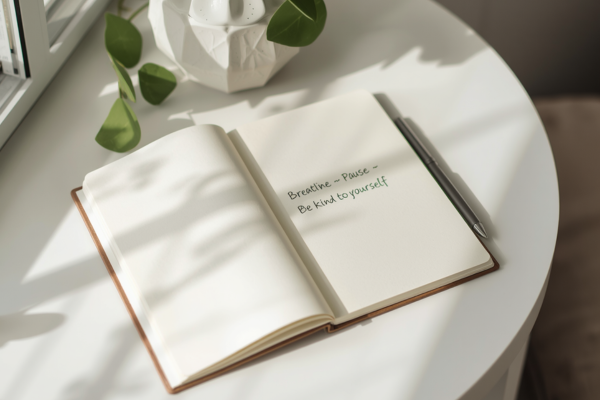
As a simple next step, grab a journal right now and write down three things you genuinely appreciate about yourself today. Challenge yourself to replace just one self-critical thought with a compassionate one this afternoon. The relationship you have with yourself is the longest one you will ever have—make sure it is a good one.


Download Your Free Everyone's Guide to Serene Hypnosis
Your Free Download Is Ready To Be Sent!
Please Remember:
As with any Therapy, actual results may vary based on individual results. This is not a substitute for medical advice or treatment. Please do not stop, alter or modify any medications without consulting your prescribing doctor or medical professional first.
CONTACT US
Serene Hypnotherapy Health & Wellness
Paramount Learning Systems Inc.
Varsity Medical Professional Building
8 Varsity Estates Circle NW
3rd Floor Calgary, Alberta
Canada. T3A 2Z3
403-498-8884

All Rights Reserved 2015 - 2026 Powered by Serene Health & Wellness
All Rights Reserved 2015 - 2026
Powered by Serene Health & Wellness
Privacy Policy | Terms and Conditions