403-498-8884
Unlock the Secrets to a Happier, Healthier You
Discover Our Latest Blog Posts!

Beyond Stress Relief: Integrating Hypnosis Into Everyday Mental Health Care in 2026
Mental health care in 2026 looks markedly different from even a few years ago. The conversation has expanded beyond crisis management and short-term stress relief to include preventative care, emotional regulation, and long-term resilience. Individuals are no longer waiting until they feel overwhelmed to seek support. Instead, they are proactively integrating mental wellness practices into their daily lives—much like physical fitness or nutrition.
One approach gaining renewed credibility and widespread interest is clinical hypnotherapy. Once misunderstood or relegated to niche use, hypnosis is now recognized as a valuable therapeutic tool that works directly with the subconscious mind. As mental health care becomes more holistic and personalized, hypnosis is increasingly being integrated into everyday care routines.
Why Stress Relief Alone Is No Longer Enough
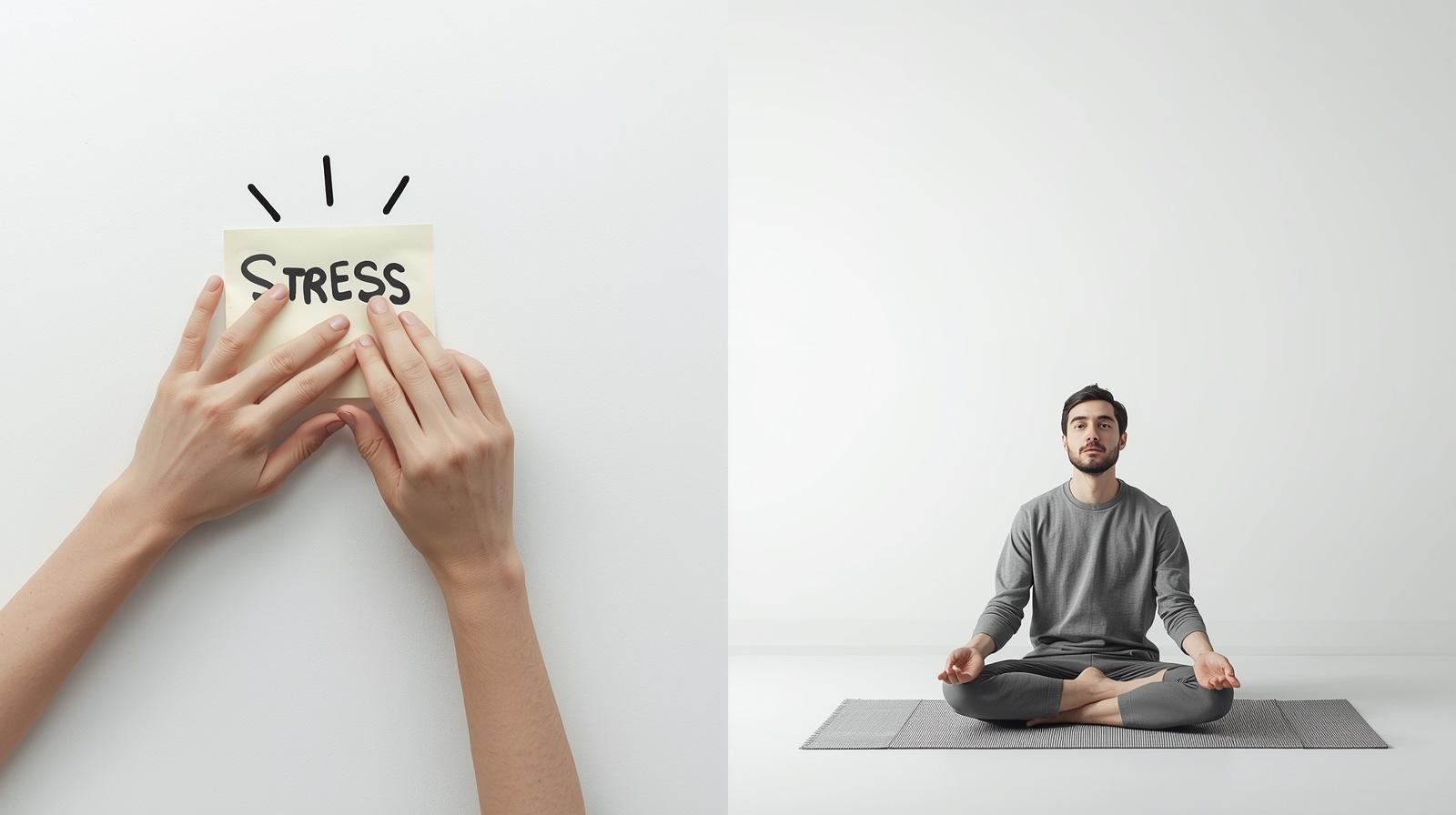
Stress remains one of the most common reasons people seek mental health support. However, in 2026, professionals acknowledge that stress is often a symptom, not the root cause. Chronic anxiety, emotional exhaustion, self-doubt, and burnout frequently stem from deeper subconscious patterns formed through past experiences, beliefs, and emotional conditioning.
Temporary stress-relief techniques may offer short-term calm, but they often fail to create lasting change. This has led many individuals to explore therapeutic modalities that address how the mind responds to stress, not just how to relax after it appears.
The Growing Role of Hypnosis in Everyday Mental Health Care
Hypnosis works by guiding individuals into a deeply focused, relaxed state where the subconscious mind becomes more receptive to change. In this state, ingrained emotional responses, habits, and beliefs can be safely explored and reshaped.
In 2026, hypnosis is increasingly used as part of ongoing mental health maintenance rather than only as a solution during emotional distress. This shift aligns with guidance from organizations such as the World Health Organization, which emphasize preventative mental health strategies and emotional self-regulation as essential components of overall well-being.
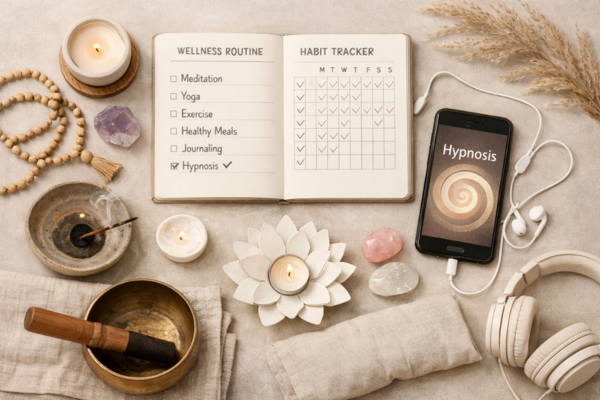
Integrating Hypnosis Into Daily Mental Wellness Practices
1. Emotional Regulation and Nervous System Balance
One of the most valuable applications of hypnosis in everyday care is emotional regulation. Many individuals live in a constant state of heightened alertness due to work demands, digital overload, or unresolved emotional experiences.
Clinical hypnotherapy helps:
Calm the nervous system
Reduce emotional reactivity
Create a sense of internal safety and balance
Over time, this allows individuals to respond thoughtfully rather than react impulsively to stressors.
2. Addressing Subconscious Thought Patterns
Much of our emotional life is driven by subconscious beliefs such as “I’m not good enough,” “I have to stay in control,” or “Rest equals failure.” These beliefs often operate quietly in the background, shaping behavior and emotional responses.
Through hypnosis, individuals can:
Identify limiting subconscious patterns
Reframe unhelpful beliefs
Replace them with supportive, empowering perspectives
This makes hypnotherapy especially effective for people who feel “stuck” despite understanding their challenges intellectually.
3. Trauma-Informed Support Without Re-Traumatization
In 2026, trauma-informed care is a central pillar of ethical mental health practice. Hypnosis offers a gentle, non-invasive way to work with unresolved emotional experiences without requiring clients to relive or verbally recount distressing memories.
Clinical hypnotherapy supports:
Emotional release at a subconscious level
Healing without emotional overwhelm
Gradual restoration of emotional safety
This approach is particularly beneficial for individuals who find traditional talk therapy emotionally exhausting or overwhelming.

Hypnosis as a Preventative Mental Health Tool
Rather than waiting for anxiety, burnout, or emotional breakdown to occur, many individuals now use hypnosis proactively. Regular hypnotherapy sessions can function much like mental “maintenance,” reinforcing emotional resilience and clarity.
Preventative benefits include:
Reduced likelihood of chronic stress accumulation
Improved sleep quality and mental focus
Greater self-awareness and emotional stability
For professionals, leaders, and caregivers, this proactive approach supports both personal well-being and sustainable performance.
Complementing Traditional Mental Health Care
Hypnosis is not positioned as a replacement for psychotherapy or medical treatment. Instead, in 2026 it is increasingly integrated alongside other evidence-based approaches to enhance overall outcomes.
Clinical hypnotherapy complements:
Psychotherapy and counseling
Coaching and personal development work
Mindfulness and relaxation practices
This integrative model reflects a broader shift in mental health care toward whole-person treatment, addressing emotional, cognitive, and subconscious dimensions together.
Why Hypnosis Fits the Needs of Modern Life
Modern life demands adaptability, emotional intelligence, and mental endurance. Hypnosis meets these needs by working at the level where emotional habits and stress responses are formed. Rather than relying on constant self-control or external coping strategies, individuals develop internal resilience that supports them across all areas of life.
As mental health care continues to evolve, hypnosis stands out as a practical, accessible, and deeply effective modality for everyday use.


Download Your Free Everyone's Guide to Serene Hypnosis
Your Free Download Is Ready To Be Sent!
Please Remember:
As with any Therapy, actual results may vary based on individual results. This is not a substitute for medical advice or treatment. Please do not stop, alter or modify any medications without consulting your prescribing doctor or medical professional first.
CONTACT US
Serene Hypnotherapy Health & Wellness
Paramount Learning Systems Inc.
Varsity Medical Professional Building
8 Varsity Estates Circle NW
3rd Floor Calgary, Alberta
Canada. T3A 2Z3
403-498-8884

All Rights Reserved 2016 - 2026 Powered by Paramount Learning
All Rights Reserved 2016 - 2026
Powered by Paramount Learning
Privacy Policy | Terms and Conditions