
The Life-Changing Power of Gratitude and Appreciation
We often move through our days completely blind to the good things right in front of us. We focus heavily on what went wrong, what we lack, and what we still need to achieve. We complain about minor inconveniences while completely ignoring the small miracles happening all around us. But what if shifting your focus could literally rewrite your experience of life?
Here is a simple but profound truth. Gratitude is not just a nice concept; it is a daily practice that has the power to change everything. When we actively practice appreciation, we shift our perspective from scarcity to abundance. We stop acting like spoiled brats and start living with genuine joy.
This post explores the massive impact that gratitude and appreciation have on your personal well-being and your relationships. We will look at why expressing thanks is the greatest gift you can give to another person. We will also discuss the mirror effect of self-appreciation. Finally, you will walk away with highly actionable tips to build a resilient, joyful gratitude practice into your daily routine.

Why Appreciation is the Greatest Gift
Most people spend a significant amount of time wishing they felt more appreciated by their boss, their partner, or their friends. We crave validation. Yet, we rarely pause to give that exact same validation to the people around us. One could argue that appreciation is the absolute greatest gift we can give to another human being.
When you express genuine appreciation, you make someone else feel seen, valued, and understood. You validate their efforts and their existence. You do not need to wait until someone is moving away, retiring, or on their deathbed to tell them how much they matter. Doing it right now creates an immediate, positive shift in the dynamic between you.
Furthermore, appreciation is a unique gift because it simultaneously rewards the giver. When you look for things to appreciate in others, you train your brain to scan the world for goodness. You cannot feel deep resentment and genuine appreciation at the exact same time. By choosing to voice your thanks, you actively push negative, toxic energy out of your own mind.
The Mirror Effect of Self-Love
Our ability to appreciate the people around us is a direct reflection of our ability to appreciate ourselves. We do not see people as they actually are; we see them as we are. If you constantly criticize your own flaws, you will naturally look for flaws in everyone else.
When you practice self-appreciation, you soften your internal landscape. You learn to forgive your own mistakes and celebrate your own small victories. This internal warmth naturally spills over into your external relationships. You begin to see the inherent beauty and value in your friends, family, and even strangers.
If you want to build stronger, more appreciative relationships, you must start by looking in the mirror. You have to give yourself the grace and kindness you so freely want to offer the world. A harsh inner critic will always block your ability to feel true, overflowing gratitude.
Strengthening Your Connections
Think about the best relationships in your life. They are likely defined by mutual respect, kindness, and a steady flow of positive reinforcement. Relationships wither and die when people feel taken for granted. Appreciation acts as the water and sunlight that keeps connections healthy and growing.
When you express gratitude to your partner for doing the dishes or to a coworker for finishing a report, you build massive trust. You communicate that you are paying attention. This simple act of noticing encourages them to continue showing up as their best selves. People naturally gravitate toward those who make them feel good about who they are.

Shifting From Scarcity to Abundance
The human brain is naturally wired for survival, which means it constantly looks for potential threats and problems. This negativity bias keeps us safe, but it also traps us in a scarcity mindset. We fixate on the money we do not have, the promotion we did not get, and the goals we have not reached.
Gratitude acts as a massive pattern interrupt for the brain. It forces you to pause and count the resources, love, and support you already possess. The more you focus on feeling grateful, the more you realize how wealthy you truly are. You begin to see that you already have enough, and you already are enough.
This shift from scarcity to abundance completely changes how you interact with the world. You stop competing aggressively with everyone around you because you realize there is plenty of success to go around. You become more generous with your time, your money, and your praise.
Finding Awe in the Ordinary
Life is incredibly full of wonder if we simply choose to see it. We often wait for monumental events to feel amazed. We wait for a massive vacation, a wedding, or a huge financial windfall. But real joy is found by being easily amazed by the ordinary moments of daily life.
Look at a beautiful sunset, taste a perfectly brewed cup of coffee, or listen to the sound of your child laughing. These are not minor details; they are the actual substance of a good life. When you allow yourself to be easily impressed by small things, you open up a constant, reliable stream of joy.
Being hard to offend and easy to impress is a superpower. It means you no longer hand over your emotional state to external circumstances. You decide to find the good, even when things are difficult, messy, or boring.
Building Emotional Resilience
Practicing gratitude does not mean you ignore your problems or pretend everything is perfect. It means you choose to find a silver lining even during a massive storm. This perspective is the core building block of deep emotional resilience.
When you face a significant setback, a gratitude practice helps you maintain your balance. Instead of spiraling into total despair, you can identify the lessons hidden within the failure. You can feel thankful for the friends who support you through the hard time.
Grateful people bounce back faster because they do not view themselves as victims. They take ownership of their experience and use their existing blessings as leverage to climb out of the hole. Gratitude gives you the strength to keep moving forward.
Actionable Tips for Cultivating Daily Gratitude
Reading about gratitude is inspiring, but inspiration without action changes nothing. You must turn gratitude from a fleeting feeling into a concrete, daily habit. Here are highly actionable ways to weave appreciation into your everyday life.
Start a Simple Gratitude Journal
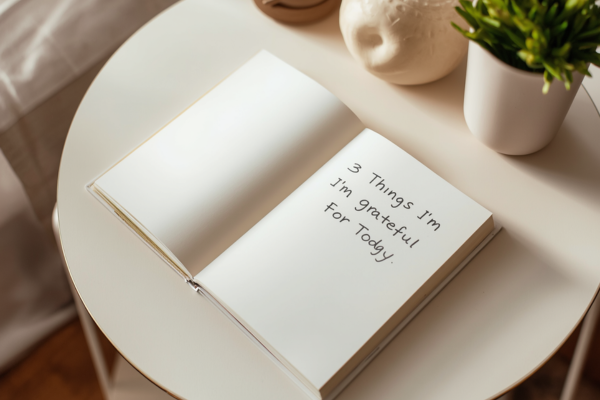
The most effective way to rewire your brain for abundance is to write things down. Every single morning or evening, grab a notebook and write down three specific things you feel grateful for. Do not just write "my family" or "my health" every day. Be incredibly specific.
Write down things like, "I am grateful for the cool breeze on my morning walk," or "I appreciate the helpful advice Sarah gave me today." Writing these details forces your brain to relive the positive experience. Over time, you will find yourself naturally scanning your day for good things to write down later.
Express Genuine Appreciation to Others
Do not keep your gratitude locked inside your head. Make it a daily goal to express genuine appreciation to at least one person. Send a quick text message to an old friend telling them why you value them. Leave a sticky note on your partner's steering wheel.
When you express appreciation, be specific about what they did and how it made you feel. Instead of saying, "You are great," say, "Thank you for listening to me vent yesterday; it made me feel so much lighter." Specific praise carries far more emotional weight and sincerity.
Practice the "Easily Amazed" Mindset
Challenge yourself to find wonder in mundane tasks. When you turn on the faucet, take a brief second to appreciate the fact that clean water flows instantly into your home. When you get into your car, marvel at the machinery that transports you effortlessly across town.
This might feel silly at first, but it actively destroys the entitlement that makes us miserable. We are surrounded by modern miracles that our ancestors could not even imagine. By actively choosing to be easily amazed, you instantly elevate your daily mood.

Moving Forward with a Grateful Heart
Your experience of life is not determined by what happens to you. It is determined by where you choose to focus your attention. You can choose to obsess over your flaws and complain about your circumstances, or you can choose to count your blessings.
Nothing changes until you do. When you make the conscious decision to practice gratitude and appreciation, your relationships deepen. Your stress levels drop, and your overall well-being skyrockets. You stop waiting for the perfect life and realize you are already living it.
Take one small, powerful step right now. Think of someone who has positively impacted your life recently. Send them a brief message expressing your sincere gratitude for their presence. You will make their day, and you will instantly improve your own.
